


 Claim Ownership
Hidden Killers Live! Daily True Crime News & Breakdowns
Subscribed: 152Played: 32,581
Subscribe

© Real Story Media
Description
Hidden Killers Live! is your daily true crime podcast delivering two hours of nonstop coverage every weekday. Hosted by Tony Brueski, Stacy Cole, and Todd Michaels, this show dives into the most compelling stories in the true crime world — from murder trials and cold cases to criminal psychology, investigations, and the dark motives behind real-life crimes.
Each episode brings a mix of breaking crime news, courtroom analysis, and raw conversation that takes you beyond the headlines. Whether it’s exploring how investigators crack cases, uncovering the psychology of killers, or following the twists of ongoing trials, you’ll get sharp, unfiltered insight every time.
Unlike recap shows, Hidden Killers Live! is true crime talk in real time — asking the tough questions, cutting through the noise, and giving listeners the context they need to understand today’s biggest cases.
If you crave smart, binge-worthy true crime content with expert commentary, emotional depth, and daily updates that keep you ahead of the story, this is the podcast for you.
Follow now on Apple Podcasts and join Tony Brueski, Stacy Cole, and Todd Michaels inside Hidden Killers Live! — where the truth is always in the details.
1848 Episodes
Reverse

Rob Reiner and Michele Singer Reiner were stabbed to death in their Brentwood home on December 14th, 2025. Their 32-year-old son Nick has been charged with two counts of first-degree murder with special circumstances — charges that carry the death penalty in California. Defense attorney Alan Jackson says there are "very complex and serious issues" in this case. The DA's office is asking the public not to rush to judgment.
So what's really going on here?
In this interview, defense attorney and former prosecutor Eric Faddis breaks down both sides of this case — how prosecutors will try to secure a first-degree conviction and possibly the death penalty, and how the defense will fight back using Nick Reiner's documented history of severe addiction and mental health crises.
We examine the special circumstances allegation, the knife enhancement, and the reported argument between Nick and his father at Conan O'Brien's Christmas party the night before the killings. The coroner still hasn't confirmed time of death — and that matters.
Nick Reiner entered rehab at 15. By 22, he'd cycled through 17 treatment programs. He's spoken publicly about methamphetamine, heroin, homelessness, and psychotic episodes while using. His father Rob directed a film about his addiction called "Being Charlie" and once said: "I'd rather you hate me than be dead in the street."
A family friend who saw Nick ten days before the murders described him as healthy and "on the upswing." So what happened? Can addiction and mental illness reduce first-degree murder charges? What does it mean that Nick wasn't medically cleared for his arraignment? And if the death penalty is on the table, what mitigating factors will the defense present?
This is the complete legal breakdown from both perspectives — prosecution and defense — so you understand what's actually at stake and how this case will unfold.
#NickReiner #RobReiner #MicheleReiner #ReinerMurder #TrueCrime #MurderTrial #DeathPenalty #CriminalDefense #LosAngeles #BreakingNews
Want to comment and watch this podcast as a video?
Check out our YouTube Channel. https://www.youtube.com/@hiddenkillerspod
Instagram https://www.instagram.com/hiddenkillerspod/
Facebook https://www.facebook.com/hiddenkillerspod/
Tik-Tok https://www.tiktok.com/@hiddenkillerspod
X Twitter https://x.com/tonybpod
Listen Ad-Free On Apple Podcasts Here: https://podcasts.apple.com/us/podcast/true-crime-today-premium-plus-ad-free-advance-episode/id1705422872
Rob and Michele Reiner spent nearly two decades trying to save their son. Seventeen rehab stays. Constant supervision. A guest house on their property so they could keep him close and try to manage the chaos. Every possible resource love, money, access, and opportunity could provide. And still, on December 15, 2025, they were found stabbed to death in their Brentwood home. Their son, Nick Reiner, now faces charges in their killings.
This is not a story about parents who missed the warning signs. It’s about parents who lived with those signs for eighteen years and had no legal way to act on them.
In this in-depth conversation, psychotherapist Shavaun Scott examines what was likely unfolding inside the Reiner family long before that final night. She breaks down why Nick Reiner’s own words — that drugs were never about getting high but about “killing the noise” — point to deeper psychological distress that traditional rehab often fails to address. We explore what happens to parents psychologically when they’ve exhausted every option yet remain trapped in proximity to a volatile adult child, and why wealth and access offered no real protection.
The discussion then widens to a second chilling case: the Mickey Stines tragedy in Kentucky, where a sheriff fatally shot a judge inside his own courthouse after weeks of visible psychological unraveling. Witnesses described paranoia, severe sleep deprivation, rapid weight loss, delusional beliefs, and an alarming phone call to a deceased relative on the day of the incident. Coworkers saw it. Friends saw it. Authorities saw it. And still, no intervention stopped what followed.
Together, these cases expose a painful reality: in the United States, families and communities often recognize danger long before the law allows action. Competent adults cannot be forced into treatment. Intervention requires “imminent danger,” a threshold that frequently isn’t crossed until lives are already lost.
This conversation isn’t about excusing violence or assigning blame. It’s about confronting the limits of love, the failures baked into mental-health and commitment laws, and the impossible position families are placed in when respecting autonomy means risking their own safety.
If you’ve ever wondered how people can do everything right and still end up here, this episode offers uncomfortable — but necessary — answers.
#ReinerMurders #NickReiner #MickeyStines #JudgeKevinMullins #TrueCrime #MentalHealthCrisis #SystemicFailure #CrimePsychology #FamilyViolence #ShavaunScott #HiddenKillers
Want to comment and watch this podcast as a video?
Check out our YouTube Channel. https://www.youtube.com/@hiddenkillerspod
Instagram https://www.instagram.com/hiddenkillerspod/
Facebook https://www.facebook.com/hiddenkillerspod/
Tik-Tok https://www.tiktok.com/@hiddenkillerspod
X Twitter https://x.com/tonybpod
Listen Ad-Free On Apple Podcasts Here: https://podcasts.apple.com/us/podcast/true-crime-today-premium-plus-ad-free-advance-episode/id1705422872
Two cases this week that expose exactly how broken the American legal system is — in completely opposite directions.
In Arkansas, Aaron Spencer is heading to trial for stopping Michael Fosler, a 67-year-old man with 43 felony charges who was out on bond and actively taking Spencer's 13-year-old daughter in the middle of the night. Fosler had already assaulted her once. A no-contact order was in place. The system knew he was dangerous and let him walk anyway. When Spencer's daughter ended up in Fosler's truck heading toward Fosler's house, Spencer did what the system refused to do — he protected his child. Now prosecutors want to use body cam footage from three months earlier to argue premeditation. They want a jury to believe a father in shock, processing his daughter's disclosure, was actually planning something. The defense says this was a kidnapping in progress and Arkansas law justified every action Spencer took.
In California, Rob Reiner's son Nick is accused of taking both of his parents' lives after years of addiction and mental illness that the family publicly tried to address. They had money. They had access. They had every resource available. But California law doesn't let you force an adult into treatment — no matter how sick they are, no matter how many times they've been hospitalized, no matter how obvious the trajectory is. You just wait. The Reiners waited. And now they're gone.
One father acted because the system let a predator walk. One father couldn't act because the system tied his hands. Both families deserved better. This episode breaks down the legal fights in both cases and what they reveal about a system that fails victims at every turn.
#AaronSpencer #RobReiner #SystemFailed #TrueCrime #FathersRights #MentalHealthLaw #ChildProtection #JusticeSystem #DefenseOfOthers #HiddenKillers
Want to comment and watch this podcast as a video?
Check out our YouTube Channel. https://www.youtube.com/@hiddenkillerspod
Instagram https://www.instagram.com/hiddenkillerspod/
Facebook https://www.facebook.com/hiddenkillerspod/
Tik-Tok https://www.tiktok.com/@hiddenkillerspod
X Twitter https://x.com/tonybpod
Listen Ad-Free On Apple Podcasts Here: https://podcasts.apple.com/us/podcast/true-crime-today-premium-plus-ad-free-advance-episode/id1705422872
Three cases. Three explosive developments. One of the nation’s most respected former FBI agents breaking down what it all means.
In this extended episode, Jennifer Coffindaffer joins us to analyze the newest revelations in the D4VD / Celeste Rivas Hernandez investigation, the shocking identification of a second suspect, and the devastating domestic-violence failure surrounding the murders of Charity Beallis and her children.
PART ONE: The Inner Circle Cracks
D4VD’s record-label GM, Robert Morgenroth, spent three days on the stand before a grand jury — an extraordinary sign that prosecutors believe he has information he either can’t or won’t fully give up. Another witness reportedly refused to appear, triggering a body attachment order. The message is clear: prosecutors are done waiting for cooperation.
PART TWO: The Second Suspect Emerges
According to Mark Geragos, investigators have identified a second suspect involved “before, during, and after” Celeste’s death. Digital forensics — cell data, Tesla GPS, app tracking — allegedly place this individual at critical moments, including a late-night trip to a remote Santa Barbara location. Coffindaffer explains how digital evidence builds timelines prosecutors can take to trial.
PART THREE: The Charity Beallis Tragedy
Charity spent nearly a year warning the system she would be killed — and one day after her abuser was granted joint custody, she and her two children were murdered. With federal agencies now involved and the suspicious death of his first wife reopened, this case reveals painful truths about strangulation risk, judicial blind spots, and the consequences of ignoring lethality indicators.
Three investigations, three pressure points, and one expert who’s not afraid to cut through the noise.
#JenniferCoffindaffer #D4VD #CelesteRivas #SecondSuspect #CharityBeallis #HiddenKillers #TonyBrueski #TrueCrimePodcast #DigitalForensics #JusticeMatters
Want to comment and watch this podcast as a video?
Check out our YouTube Channel. https://www.youtube.com/@hiddenkillerspod
Instagram https://www.instagram.com/hiddenkillerspod/
Facebook https://www.facebook.com/hiddenkillerspod/
Tik-Tok https://www.tiktok.com/@hiddenkillerspod
X Twitter https://x.com/tonybpod
Listen Ad-Free On Apple Podcasts Here: https://podcasts.apple.com/us/podcast/true-crime-today-premium-plus-ad-free-advance-episode/id1705422872
Rob Reiner and Michele Singer Reiner were stabbed to death in their Brentwood home on December 14th, 2025. Their 32-year-old son Nick has been charged with two counts of first-degree murder with special circumstances — charges that carry the death penalty in California. Defense attorney Alan Jackson says there are "very complex and serious issues" in this case. The DA's office is asking the public not to rush to judgment.
So what's really going on here?
In this interview, defense attorney and former prosecutor Eric Faddis breaks down both sides of this case — how prosecutors will try to secure a first-degree conviction and possibly the death penalty, and how the defense will fight back using Nick Reiner's documented history of severe addiction and mental health crises.
We examine the special circumstances allegation, the knife enhancement, and the reported argument between Nick and his father at Conan O'Brien's Christmas party the night before the killings. The coroner still hasn't confirmed time of death — and that matters.
Nick Reiner entered rehab at 15. By 22, he'd cycled through 17 treatment programs. He's spoken publicly about methamphetamine, heroin, homelessness, and psychotic episodes while using. His father Rob directed a film about his addiction called "Being Charlie" and once said: "I'd rather you hate me than be dead in the street."
A family friend who saw Nick ten days before the murders described him as healthy and "on the upswing." So what happened? Can addiction and mental illness reduce first-degree murder charges? What does it mean that Nick wasn't medically cleared for his arraignment? And if the death penalty is on the table, what mitigating factors will the defense present?
This is the complete legal breakdown from both perspectives — prosecution and defense — so you understand what's actually at stake and how this case will unfold.
#NickReiner #RobReiner #MicheleReiner #ReinerMurder #TrueCrime #MurderTrial #DeathPenalty #CriminalDefense #LosAngeles #BreakingNews
Want to comment and watch this podcast as a video?
Check out our YouTube Channel. https://www.youtube.com/@hiddenkillerspod
Instagram https://www.instagram.com/hiddenkillerspod/
Facebook https://www.facebook.com/hiddenkillerspod/
Tik-Tok https://www.tiktok.com/@hiddenkillerspod
X Twitter https://x.com/tonybpod
Listen Ad-Free On Apple Podcasts Here: https://podcasts.apple.com/us/podcast/true-crime-today-premium-plus-ad-free-advance-episode/id1705422872

Nick Reiner's defense attorney Alan Jackson told reporters there are "very complex and serious issues" in this case and urged the public not to rush to judgment. That's not a throwaway line — it's a signal. But a signal of what?
In this interview, defense attorney and former prosecutor Eric Faddis breaks down the defense strategies most likely being developed right now behind closed doors. Nick Reiner has a documented, decades-long history of severe drug addiction. He entered rehab at 15. By 22, he'd been through 17 treatment programs. He's spoken publicly about methamphetamine, heroin, homelessness, and violent episodes while using — including destroying everything in his parents' guest house during a drug-fueled breakdown.
His father Rob Reiner directed a semi-autobiographical film about Nick's addiction called "Being Charlie." In interviews promoting the film, Rob said he told his son: "I'd rather you hate me than be dead in the street." The family's struggle with Nick's addiction was painfully public for years.
So how does the defense use that history without appearing to blame the victims? Can a documented pattern of addiction and mental health crises reduce first-degree murder to second-degree — or even manslaughter? What does it mean that Nick wasn't medically cleared to appear at his initial arraignment?
We also examine what happens if prosecutors pursue the death penalty. What mitigating factors will the defense present? And how effective are addiction and mental illness arguments in California capital cases?
This is Part 2 of a two-part series. Watch Part 1: The Prosecution's Case for the full picture.
#NickReiner #RobReiner #ReinerCase #TrueCrime #CriminalDefense #MentalHealth #Addiction #CaliforniaLaw #MurderTrial #BreakingNews
Want to comment and watch this podcast as a video?
Check out our YouTube Channel. https://www.youtube.com/@hiddenkillerspod
Instagram https://www.instagram.com/hiddenkillerspod/
Facebook https://www.facebook.com/hiddenkillerspod/
Tik-Tok https://www.tiktok.com/@hiddenkillerspod
X Twitter https://x.com/tonybpod
Listen Ad-Free On Apple Podcasts Here: https://podcasts.apple.com/us/podcast/true-crime-today-premium-plus-ad-free-advance-episode/id1705422872
Rob Reiner and Michele Singer Reiner were found stabbed to death in their Brentwood home on December 14th, 2025. Their son Nick Reiner has been charged with two counts of first-degree murder with special circumstances — charges that carry the possibility of the death penalty in California.
In this interview, defense attorney and former prosecutor Eric Faddis breaks down exactly how the Los Angeles District Attorney's office will build their case against Nick Reiner. We examine the special circumstances allegation, the deadly weapon enhancement, and what prosecutors need to prove to secure a first-degree conviction.
We also discuss the reported argument between Nick and his father at Conan O'Brien's Christmas party the night before the killings — and whether that incident helps or hurts the prosecution's timeline. The coroner still hasn't confirmed time of death, and that gap matters more than most people realize.
DA Nathan Hochman made an unusual statement asking the public to rely only on official sources and wait for evidence to come out in court. Eric explains what that restraint signals about how this case is being handled at the highest levels — and why the death penalty decision will involve input from the surviving Reiner family members.
Nick was arrested without incident near USC hours after the bodies were discovered and reportedly checked into a Santa Monica hotel that same night. Does that suggest consciousness of guilt? Or does it complicate the narrative prosecutors want to tell?
This is the first of a two-part series examining both sides of this case. Subscribe and turn on notifications for Part 2: The Defense's Case.
#NickReiner #RobReiner #MicheleReiner #ReinerMurder #TrueCrime #MurderCharges #DeathPenalty #LosAngeles #CriminalJustice #BreakingNews
Want to comment and watch this podcast as a video?
Check out our YouTube Channel. https://www.youtube.com/@hiddenkillerspod
Instagram https://www.instagram.com/hiddenkillerspod/
Facebook https://www.facebook.com/hiddenkillerspod/
Tik-Tok https://www.tiktok.com/@hiddenkillerspod
X Twitter https://x.com/tonybpod
Listen Ad-Free On Apple Podcasts Here: https://podcasts.apple.com/us/podcast/true-crime-today-premium-plus-ad-free-advance-episode/id1705422872
Rob and Michele Reiner spent nearly two decades trying to save their son. Seventeen rehab stays. Constant supervision. A guest house on their property so they could keep him close and try to manage the chaos. Every possible resource love, money, access, and opportunity could provide. And still, on December 15, 2025, they were found stabbed to death in their Brentwood home. Their son, Nick Reiner, now faces charges in their killings.
This is not a story about parents who missed the warning signs. It’s about parents who lived with those signs for eighteen years and had no legal way to act on them.
In this in-depth conversation, psychotherapist Shavaun Scott examines what was likely unfolding inside the Reiner family long before that final night. She breaks down why Nick Reiner’s own words — that drugs were never about getting high but about “killing the noise” — point to deeper psychological distress that traditional rehab often fails to address. We explore what happens to parents psychologically when they’ve exhausted every option yet remain trapped in proximity to a volatile adult child, and why wealth and access offered no real protection.
The discussion then widens to a second chilling case: the Mickey Stines tragedy in Kentucky, where a sheriff fatally shot a judge inside his own courthouse after weeks of visible psychological unraveling. Witnesses described paranoia, severe sleep deprivation, rapid weight loss, delusional beliefs, and an alarming phone call to a deceased relative on the day of the incident. Coworkers saw it. Friends saw it. Authorities saw it. And still, no intervention stopped what followed.
Together, these cases expose a painful reality: in the United States, families and communities often recognize danger long before the law allows action. Competent adults cannot be forced into treatment. Intervention requires “imminent danger,” a threshold that frequently isn’t crossed until lives are already lost.
This conversation isn’t about excusing violence or assigning blame. It’s about confronting the limits of love, the failures baked into mental-health and commitment laws, and the impossible position families are placed in when respecting autonomy means risking their own safety.
If you’ve ever wondered how people can do everything right and still end up here, this episode offers uncomfortable — but necessary — answers.
#ReinerMurders #NickReiner #MickeyStines #JudgeKevinMullins #TrueCrime #MentalHealthCrisis #SystemicFailure #CrimePsychology #FamilyViolence #ShavaunScott #HiddenKillers
Want to comment and watch this podcast as a video?
Check out our YouTube Channel. https://www.youtube.com/@hiddenkillerspod
Instagram https://www.instagram.com/hiddenkillerspod/
Facebook https://www.facebook.com/hiddenkillerspod/
Tik-Tok https://www.tiktok.com/@hiddenkillerspod
X Twitter https://x.com/tonybpod
Listen Ad-Free On Apple Podcasts Here: https://podcasts.apple.com/us/podcast/true-crime-today-premium-plus-ad-free-advance-episode/id1705422872

A Kentucky sheriff shot and killed a judge inside his own courthouse chambers — and according to court documents, the warning signs were everywhere. Witnesses say Mickey Stines hadn't slept in days. He'd lost a massive amount of weight. He was convinced unnamed people were going to kill his wife and daughter. He woke his wife up at night to whisper because he believed their home was bugged. And on the day of the shooting, he reportedly tried calling his grandmother — who had been dead for three years. Coworkers saw it. An attorney saw it.
The local police chief said "that son of a bitch has lost his mind." His friends even took him to the doctor the day before. And still, nobody stopped what was coming. In this segment, psychotherapist Shavaun Scott breaks down what these behaviors actually mean clinically — what paranoid psychosis looks like, why people miss or dismiss the warning signs, and what Stines' insanity defense might actually hold up to. We're not here to excuse what happened. We're here to understand it. Because this case is a brutal lesson in what happens when someone falls apart in plain sight and no one knows what to do about it.
#MickeyStines #JudgeKevinMullins #TrueCrime #KentuckySheriff #CourthouseShooting #MentalHealthCrisis #InsanityDefense #WarningSigns #Psychosis #ShavaunScott
Want to comment and watch this podcast as a video?
Check out our YouTube Channel. https://www.youtube.com/@hiddenkillerspod
Instagram https://www.instagram.com/hiddenkillerspod/
Facebook https://www.facebook.com/hiddenkillerspod/
Tik-Tok https://www.tiktok.com/@hiddenkillerspod
X Twitter https://x.com/tonybpod
Listen Ad-Free On Apple Podcasts Here: https://podcasts.apple.com/us/podcast/true-crime-today-premium-plus-ad-free-advance-episode/id1705422872
Here's what no one wants to say out loud: Rob and Michele Reiner probably knew they were in danger. Friends say Michele had been confiding for months that Nick's mental health was deteriorating. Neighbors say there had been violent incidents before. The night before their deaths, Nick got into a screaming argument with his father at a Christmas party. Everyone saw the signs. No one could legally do anything about it.
In the United States, you cannot force a competent adult into treatment. You cannot commit someone because you believe they're dangerous. You have to wait until the danger becomes imminent — which usually means you have to wait until someone gets hurt. Rob and Michele Reiner lived inside that impossible gap for eighteen years. And then the gap killed them.
Psychotherapist Shavaun Scott joins us to examine the systemic failures that leave families like the Reiners without options. We discuss what parents can actually do legally when an adult child is spiraling — and where their authority ends. We look at why the threshold for involuntary commitment is so high that families often recognize danger years before the law will act. We ask hard questions about whether the rehab industry itself can make certain patients worse. And we talk honestly about what would need to change for cases like this to have different outcomes.
This isn't about assigning blame to a grieving family. It's about understanding why our system forces parents to choose between respecting autonomy and protecting themselves — and why that choice shouldn't exist.
#RobReiner #MentalHealthLaw #TrueCrime #SystemicFailure #InvoluntaryCommitment #FamilyViolence #ShavaunScott #MentalHealthReform #AddictionCrisis #CrimePsychology
Want to comment and watch this podcast as a video?
Check out our YouTube Channel. https://www.youtube.com/@hiddenkillerspod
Instagram https://www.instagram.com/hiddenkillerspod/
Facebook https://www.facebook.com/hiddenkillerspod/
Tik-Tok https://www.tiktok.com/@hiddenkillerspod
X Twitter https://x.com/tonybpod
Listen Ad-Free On Apple Podcasts Here: https://podcasts.apple.com/us/podcast/true-crime-today-premium-plus-ad-free-advance-episode/id1705422872
Rob and Michele Reiner spent eighteen years trying to save their son. Seventeen rehab facilities. A feature film about his addiction. A guest house on their property so they could watch over him. And still, on December 15th, 2025, they were found stabbed to death in their Brentwood home. Nick Reiner, 32, has been charged with their murders.
This isn't a case about parents who didn't see it coming. It's about parents who saw it coming for nearly two decades and couldn't stop it.
Psychotherapist Shavaun Scott has spent thirty years working with families in crisis, perpetrators of violence, and people trapped in cycles of addiction and mental illness. She's the author of "Nightbird" and "The Minds of Mass Killers," and in this interview, she breaks down what was likely happening inside the Reiner family long before that final night.
We discuss why Nick's own words — that his drug use was never about the drugs, but about "killing the noise" — reveal something critical about what treatment was missing. We examine what happens to parents psychologically when they've exhausted every resource and still live in proximity to a volatile adult child. We look at why wealth and access to the best facilities offered essentially no protection. And we explore the warning signs that families often see but can't bring themselves to act on — because acting means treating your own child as a threat.
If you've ever wondered how a family can do everything right and still end up here, this conversation offers uncomfortable answers. The Reiners aren't a cautionary tale about neglect. They're a cautionary tale about the limits of love when you're up against something love can't fix.
#RobReiner #NickReiner #TrueCrime #FamilyViolence #AddictionRecovery #MentalHealthCrisis #ShavaunScott #Parricide #CrimePsychology #HollywoodTragedy
Want to comment and watch this podcast as a video?
Check out our YouTube Channel. https://www.youtube.com/@hiddenkillerspod
Instagram https://www.instagram.com/hiddenkillerspod/
Facebook https://www.facebook.com/hiddenkillerspod/
Tik-Tok https://www.tiktok.com/@hiddenkillerspod
X Twitter https://x.com/tonybpod
Listen Ad-Free On Apple Podcasts Here: https://podcasts.apple.com/us/podcast/true-crime-today-premium-plus-ad-free-advance-episode/id1705422872
Two cases this week that expose exactly how broken the American legal system is — in completely opposite directions.
In Arkansas, Aaron Spencer is heading to trial for stopping Michael Fosler, a 67-year-old man with 43 felony charges who was out on bond and actively taking Spencer's 13-year-old daughter in the middle of the night. Fosler had already assaulted her once. A no-contact order was in place. The system knew he was dangerous and let him walk anyway. When Spencer's daughter ended up in Fosler's truck heading toward Fosler's house, Spencer did what the system refused to do — he protected his child. Now prosecutors want to use body cam footage from three months earlier to argue premeditation. They want a jury to believe a father in shock, processing his daughter's disclosure, was actually planning something. The defense says this was a kidnapping in progress and Arkansas law justified every action Spencer took.
In California, Rob Reiner's son Nick is accused of taking both of his parents' lives after years of addiction and mental illness that the family publicly tried to address. They had money. They had access. They had every resource available. But California law doesn't let you force an adult into treatment — no matter how sick they are, no matter how many times they've been hospitalized, no matter how obvious the trajectory is. You just wait. The Reiners waited. And now they're gone.
One father acted because the system let a predator walk. One father couldn't act because the system tied his hands. Both families deserved better. This episode breaks down the legal fights in both cases and what they reveal about a system that fails victims at every turn.
#AaronSpencer #RobReiner #SystemFailed #TrueCrime #FathersRights #MentalHealthLaw #ChildProtection #JusticeSystem #DefenseOfOthers #HiddenKillers
Nick Reiner is in custody right now, accused of taking the lives of both of his parents inside their Brentwood home. The night before, witnesses say he got into a screaming confrontation with his father Rob Reiner at a holiday party. By Sunday afternoon, Rob and Michele Reiner were gone — reportedly discovered by their own daughter Romy.
Nick Reiner is 32 years old. He has been in and out of treatment programs since he was fifteen. He's experienced homelessness. He's struggled publicly with addiction and severe mental health issues for most of his adult life. His parents talked about it openly. They made a documentary about their attempts to help him. Michele Reiner reportedly told friends recently that they had tried everything.
And here's the part that should infuriate every family watching this — in California, "everything" doesn't include the one thing that might have actually made a difference. You cannot force an adult into treatment. Not even when they're clearly in crisis. Not even when they're deteriorating in front of you. Not even when you have unlimited resources and access to the best care in the country. You have to wait until something terrible happens.
California has 5150 psychiatric holds. It has a new program called CARE Court. None of it works the way families need it to. The holds are too short. The programs have no enforcement. Meanwhile, people in crisis cycle through emergency rooms and back onto the street while their families watch helplessly.
This episode breaks down what options families actually have under current law, why those options consistently fail, and what's likely coming next in this case.
#RobReiner #NickReiner #MentalHealthCrisis #CaliforniaLaw #FamilyTragedy #5150Hold #CARECourt #MentalHealthReform #TrueCrime #HiddenKillers
Want to comment and watch this podcast as a video?
Check out our YouTube Channel. https://www.youtube.com/@hiddenkillerspod
Instagram https://www.instagram.com/hiddenkillerspod/
Facebook https://www.facebook.com/hiddenkillerspod/
Tik-Tok https://www.tiktok.com/@hiddenkillerspod
X Twitter https://x.com/tonybpod
Listen Ad-Free On Apple Podcasts Here: https://podcasts.apple.com/us/podcast/true-crime-today-premium-plus-ad-free-advance-episode/id1705422872
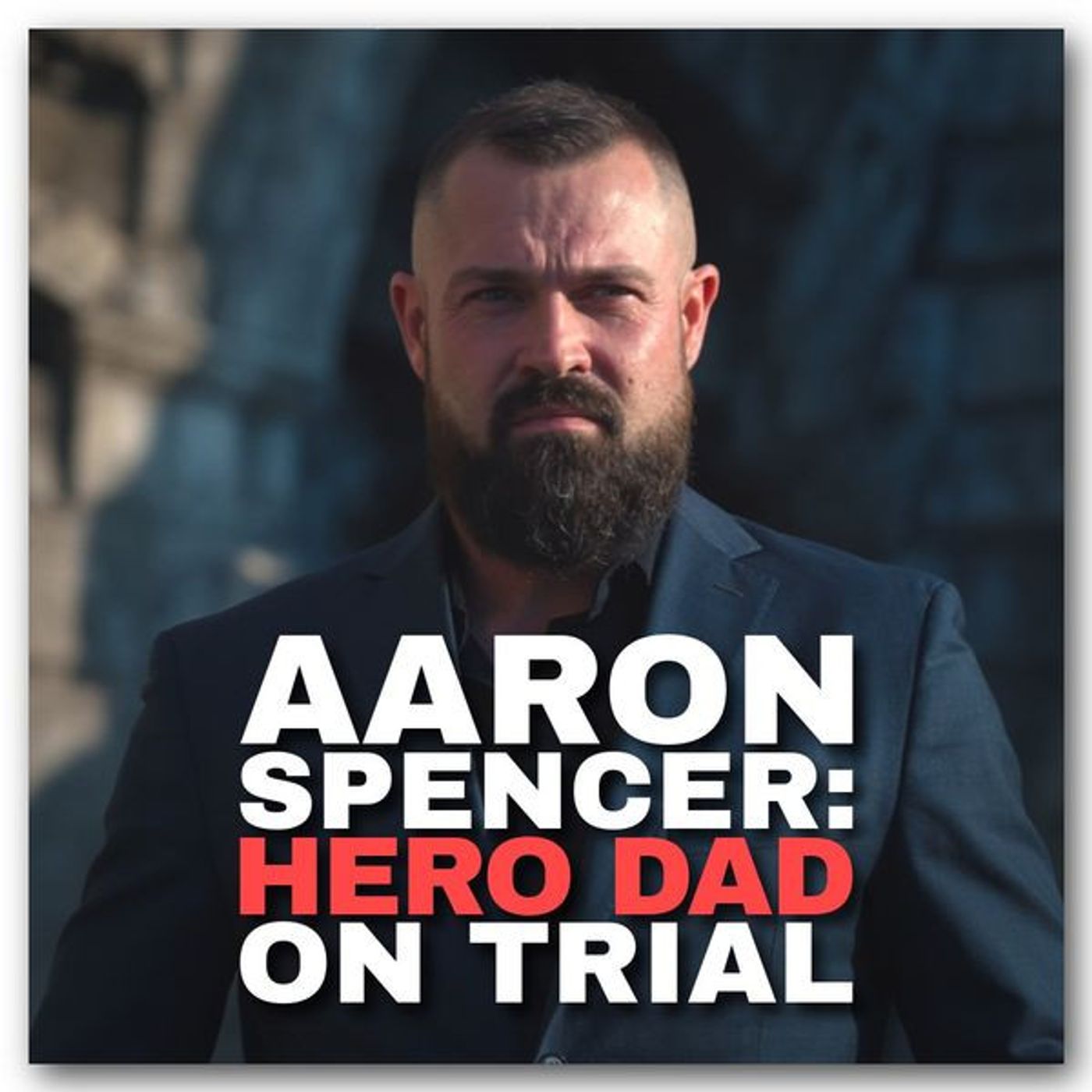
Michael Fosler was out on a $50,000 bond. He had 43 felony charges hanging over him — assault of a minor, grooming, exploitation material. A no-contact order was in place. The system knew exactly who he was and what he was capable of. And just after 1 a.m. on October 8th, 2024, Aaron Spencer's 13-year-old daughter was in Fosler's truck, being taken toward Fosler's house in the middle of the night.
This wasn't a hypothetical threat. This wasn't a father acting on old anger. This was a kidnapping in progress — by the same man who had already violated his child once and was facing decades in prison if she testified against him. Spencer's daughter was the primary witness. Fosler had every reason to want her gone.
Spencer pursued Fosler for 20 minutes. Prosecutors say he should have called 911. But Spencer says he was driving at high speed on dark roads trying not to lose sight of the truck carrying his daughter. When he finally forced Fosler off the road, his daughter tried to escape. Fosler allegedly grabbed her. Then Fosler allegedly came at Spencer. That's when Spencer used force.
Arkansas law is clear — you are allowed to use deadly force to protect another person from imminent serious harm. Spencer wasn't hunting anyone. He was responding to an active crisis involving his own child and a known predator who had already demonstrated what he was willing to do.
Legal experts say this isn't about jury nullification. The defense doesn't need a sympathetic jury to ignore the law. Arkansas law itself provides a path to acquittal. The question is whether Spencer's actions fit the legal definition of justified defense of another — and everything about this case says they do.
#AaronSpencer #DefenseOfOthers #ArkansasLaw #ProtectYourFamily #JustifiedForce #MichaelFosler #FatherProtectsChild #LegalDefense #TrueCrime #HiddenKillers
Want to comment and watch this podcast as a video?
Check out our YouTube Channel. https://www.youtube.com/@hiddenkillerspod
Instagram https://www.instagram.com/hiddenkillerspod/
Facebook https://www.facebook.com/hiddenkillerspod/
Tik-Tok https://www.tiktok.com/@hiddenkillerspod
X Twitter https://x.com/tonybpod
Listen Ad-Free On Apple Podcasts Here: https://podcasts.apple.com/us/podcast/true-crime-today-premium-plus-ad-free-advance-episode/id1705422872
Three months before Aaron Spencer stopped Michael Fosler from taking his daughter, he stood in front of Lonoke County deputies in complete shock. His 13-year-old had just disclosed that Fosler — a 67-year-old man — had assaulted her. Body cameras captured everything. And in that moment of devastation, Spencer said something prosecutors now want to use against him: "Sometimes you've got to handle things yourself."
The state is calling that premeditation. They want a jury to believe a father processing the worst news of his life was actually announcing a plan. But here's what that argument ignores — Spencer was watching the system fail his daughter in real time. He was asking deputies what kind of sentence Fosler would realistically get. He was learning that the man who violated his child would likely walk free. That's not a confession. That's a father realizing no one was coming to help.
Three months later, Fosler was out on bond with 43 felony charges. He had a no-contact order. And in the middle of the night, Spencer's daughter ended up in Fosler's truck heading toward Fosler's house. This wasn't premeditation — this was a kidnapping in progress. Spencer responded the way any father would when the system that was supposed to protect his child let a predator walk free and come back for her.
This is what's called a 404(b) motion — a fight over whether prior statements can be used as evidence of intent. If the judge lets this footage in, prosecutors get to frame a grief-stricken father as a calculated aggressor. The defense has to convince the court that what the jury would actually be hearing is a man in crisis, not a man making threats.
The ruling could define the entire trial.
#AaronSpencer #LononkeCounty #Arkansas #ProtectiveFather #JusticeSystem #ChildPredator #404bEvidence #TrueCrime #FathersRights #HiddenKillers
Want to comment and watch this podcast as a video?
Check out our YouTube Channel. https://www.youtube.com/@hiddenkillerspod
Instagram https://www.instagram.com/hiddenkillerspod/
Facebook https://www.facebook.com/hiddenkillerspod/
Tik-Tok https://www.tiktok.com/@hiddenkillerspod
X Twitter https://x.com/tonybpod
Listen Ad-Free On Apple Podcasts Here: https://podcasts.apple.com/us/podcast/true-crime-today-premium-plus-ad-free-advance-episode/id1705422872
Three cases. Three explosive developments. One of the nation’s most respected former FBI agents breaking down what it all means.
In this extended episode, Jennifer Coffindaffer joins us to analyze the newest revelations in the D4VD / Celeste Rivas Hernandez investigation, the shocking identification of a second suspect, and the devastating domestic-violence failure surrounding the murders of Charity Beallis and her children.
PART ONE: The Inner Circle Cracks
D4VD’s record-label GM, Robert Morgenroth, spent three days on the stand before a grand jury — an extraordinary sign that prosecutors believe he has information he either can’t or won’t fully give up. Another witness reportedly refused to appear, triggering a body attachment order. The message is clear: prosecutors are done waiting for cooperation.
PART TWO: The Second Suspect Emerges
According to Mark Geragos, investigators have identified a second suspect involved “before, during, and after” Celeste’s death. Digital forensics — cell data, Tesla GPS, app tracking — allegedly place this individual at critical moments, including a late-night trip to a remote Santa Barbara location. Coffindaffer explains how digital evidence builds timelines prosecutors can take to trial.
PART THREE: The Charity Beallis Tragedy
Charity spent nearly a year warning the system she would be killed — and one day after her abuser was granted joint custody, she and her two children were murdered. With federal agencies now involved and the suspicious death of his first wife reopened, this case reveals painful truths about strangulation risk, judicial blind spots, and the consequences of ignoring lethality indicators.
Three investigations, three pressure points, and one expert who’s not afraid to cut through the noise.
#JenniferCoffindaffer #D4VD #CelesteRivas #SecondSuspect #CharityBeallis #HiddenKillers #TonyBrueski #TrueCrimePodcast #DigitalForensics #JusticeMatters
Want to comment and watch this podcast as a video?
Check out our YouTube Channel. https://www.youtube.com/@hiddenkillerspod
Instagram https://www.instagram.com/hiddenkillerspod/
Facebook https://www.facebook.com/hiddenkillerspod/
Tik-Tok https://www.tiktok.com/@hiddenkillerspod
X Twitter https://x.com/tonybpod
Listen Ad-Free On Apple Podcasts Here: https://podcasts.apple.com/us/podcast/true-crime-today-premium-plus-ad-free-advance-episode/id1705422872
For nine months, Charity Beallis begged for help. She wrote letters. Posted warnings. Told friends, family, legislators — anyone who would listen — that she feared her estranged husband would kill her. On December 2nd, a judge awarded that man joint custody. On December 3rd, Charity and her two children were found shot to death.
Now the Secret Service and Homeland Security have joined a sprawling investigation, and the death of the suspect’s first wife in 2012 — also by gunshot, ruled a suicide, with evidence destroyed — has been reopened.
Retired FBI Special Agent Jennifer Coffindaffer joins us to break down the catastrophic red flags and the investigative roadmap unfolding behind the scenes.
We dig into:
– Why strangulation is the #1 predictor of intimate partner homicide
– Why Charity’s public warnings went ignored
– How federal agencies get involved when evidence suggests a pattern
– Why a previous spouse’s suspicious death changes everything
– The troubling court decision awarding custody the day before the killings
– What investigators are doing with 12+ search warrants and no arrest yet
– What happens to a medical professional’s license when they are under homicide investigation
– And the heartbreaking question: could anything have saved her?
This is one of the most disturbing domestic-violence system failures in recent memory — and Coffindaffer unpacks every layer.
#CharityBeallis #JenniferCoffindaffer #DomesticViolenceAwareness #HiddenKillers #TonyBrueski #TrueCrimePodcast #LethalityAssessment #StrangulationRisk #JusticeForCharity #DVReform
Want to comment and watch this podcast as a video?
Check out our YouTube Channel. https://www.youtube.com/@hiddenkillerspod
Instagram https://www.instagram.com/hiddenkillerspod/
Facebook https://www.facebook.com/hiddenkillerspod/
Tik-Tok https://www.tiktok.com/@hiddenkillerspod
X Twitter https://x.com/tonybpod
Listen Ad-Free On Apple Podcasts Here: https://podcasts.apple.com/us/podcast/true-crime-today-premium-plus-ad-free-advance-episode/id1705422872

A bombshell revelation from attorney Mark Geragos has shifted the entire landscape of the Celeste Rivas Hernandez investigation: according to him, LAPD has identified a second suspect. Not the killer — but someone allegedly involved before, during, and after Celeste’s death, including the disposal and possible dismemberment of her body.
Retired FBI Special Agent Jennifer Coffindaffer joins us to break down what investigators uncovered — and how they uncovered it.
Geragos says cellphone data, Tesla GPS, and social-media location tracking created a digital trail accurate “almost to the minute.” One key focus: a late-night trip to a remote area of Santa Barbara County, where investigators believe D4VD spent nearly two hours… and wasn’t alone. If a second suspect was with him during that trip, that changes everything.
Coffindaffer explains:
– How investigators triangulate cell towers, GPS logs, and app metadata
– Why Tesla vehicles are digital goldmines for forensic teams
– What physical evidence might still exist months later in a remote area
– How prosecutors flip secondary suspects with cooperation deals
– How freezer storage, disposal access, and vehicle movements elevate legal liability
We also explore the possibility that the second suspect parked the Tesla on July 29th — the same day D4VD left for tour — and what that would mean about their role, loyalty, and exposure.
With a grand jury active, digital evidence mounting, and a second suspect reportedly identified, the case is shifting from “What happened?” to “Who helped?”
#D4VDCase #CelesteRivas #SecondSuspect #DigitalForensics #TeslaData #HiddenKillers #TonyBrueski #JenniferCoffindaffer #TrueCrimePodcast #LegalBreakdown
Want to comment and watch this podcast as a video?
Check out our YouTube Channel. https://www.youtube.com/@hiddenkillerspod
Instagram https://www.instagram.com/hiddenkillerspod/
Facebook https://www.facebook.com/hiddenkillerspod/
Tik-Tok https://www.tiktok.com/@hiddenkillerspod
X Twitter https://x.com/tonybpod
Listen Ad-Free On Apple Podcasts Here: https://podcasts.apple.com/us/podcast/true-crime-today-premium-plus-ad-free-advance-episode/id1705422872
The grand jury investigating the death of Celeste Rivas Hernandez has entered its third week — and the pressure inside that room is reaching a breaking point. Retired FBI Special Agent Jennifer Coffindaffer joins me to break down the newest developments as the people closest to D4VD begin to fracture under questioning.
This week, Robert Morgenroth — general manager of D4VD’s record label and president of his touring company — spent three straight days testifying. Three days for a non-target witness is extraordinary, and it signals something major: prosecutors believe he knows far more than he’s letting on. According to reports, he told courthouse staff that Deputy DA Beth Silverman was “pushy” about why he never called police after learning a decomposing body had been found in his artist’s car. His alleged explanation? He didn’t think it was his responsibility. He just wanted to keep the tour going.
Meanwhile, another female witness reportedly refused to appear for her grand jury subpoena — prompting prosecutors to seek a body attachment order, essentially authorizing law enforcement to detain her and bring her to the stand. She’s represented by the same attorney as Morgenroth, raising big questions about coordination behind the scenes.
Coffindaffer walks us through what these moves really mean:
– Why long testimony = prosecutors digging for inconsistencies
– What liability witnesses face when they withhold critical information
– Why refusal to appear can trigger aggressive enforcement
– How resistance and fear inside the inner circle often signal far more beneath the surface
This isn’t just testimony — this is a pressure campaign. And the cracks are widening.
#D4VD #CelesteRivas #JenniferCoffindaffer #GrandJury #HiddenKillers #TonyBrueski #TrueCrimePodcast #WitnessTampering #LegalAnalysis #JusticeForCeleste
Want to comment and watch this podcast as a video?
Check out our YouTube Channel. https://www.youtube.com/@hiddenkillerspod
Instagram https://www.instagram.com/hiddenkillerspod/
Facebook https://www.facebook.com/hiddenkillerspod/
Tik-Tok https://www.tiktok.com/@hiddenkillerspod
X Twitter https://x.com/tonybpod
Listen Ad-Free On Apple Podcasts Here: https://podcasts.apple.com/us/podcast/true-crime-today-premium-plus-ad-free-advance-episode/id1705422872
Three cases. Three firestorms. One attorney who cuts through the noise.
In this extended episode, defense attorney and former prosecutor Eric Faddis joins me to break down the legal chaos surrounding the Netflix documentary Sean Combs: The Reckoning, the explosive allegations linking Diddy to the murders of Tupac and Biggie, and the mysterious cruise-ship death of 18-year-old Anna Kepner, where a 16-year-old stepbrother is the named suspect — yet no charges have been filed.
Part One: Diddy vs. Netflix
We look at the cease-and-desist letter, the “stolen footage” accusations, and why Diddy hasn’t filed the billion-dollar lawsuit he threatened. Eric explains the hurdles of copyright ownership, the brutal reality of defamation law for public figures, and how anti-SLAPP statutes could turn the whole thing back on Diddy. We also break down why 50 Cent’s decades-long feud with Diddy isn’t enough to create legal exposure on its own.
Part Two: Tupac & Biggie Allegations
Keefe D named Diddy 47 times across interviews. Kirk Burrowes says Diddy “ushered Biggie to his death.” Former LAPD detective Greg Kading lays out timelines and motive theories. But accusations do not equal evidence. Eric explains why none of this has triggered criminal charges, what prosecutors would actually need, and whether future cooperation deals could change the landscape.
Part Three: The Anna Kepner Case
A death at sea. A teenage suspect identified in legal filings, not by investigators. Conflicting family narratives, witnesses claiming aggression and chokeholds, and an FBI investigation happening entirely out of sight. Eric breaks down why the silence may be strategic, how federal cases involving minors unfold, and what the legal roadmap looks like behind closed doors.
This episode pulls together the legal, psychological, and forensic threads of three highly complicated cases — and gives listeners a grounded, real-world understanding of what justice looks like when the spotlight is this bright.
#DiddyCase #TupacAndBiggie #AnnaKepner #EricFaddis #HiddenKillers #TonyBrueski #TrueCrimePodcast #LegalAnalysis #NetflixDocumentary #TrueCrimeDiscussion
Want to comment and watch this podcast as a video?
Check out our YouTube Channel. https://www.youtube.com/@hiddenkillerspod
Instagram https://www.instagram.com/hiddenkillerspod/
Facebook https://www.facebook.com/hiddenkillerspod/
Tik-Tok https://www.tiktok.com/@hiddenkillerspod
X Twitter https://x.com/tonybpod
Listen Ad-Free On Apple Podcasts Here: https://podcasts.apple.com/us/podcast/true-crime-today-premium-plus-ad-free-advance-episode/id1705422872


Download from Google Play

Download from App Store
 United States
The teen was not the 60 year old's grandson. His identity has not been shared.
2 minutes of a podcast and the rest commercials? Seriously? Can't compare this to radio BECAYSE THEY WOULDN'T DO THAT!!!!
Oh my gosh what a show love it, not sure if the nomination stories will work as people might possibly start fabricating stories so it not be true stories